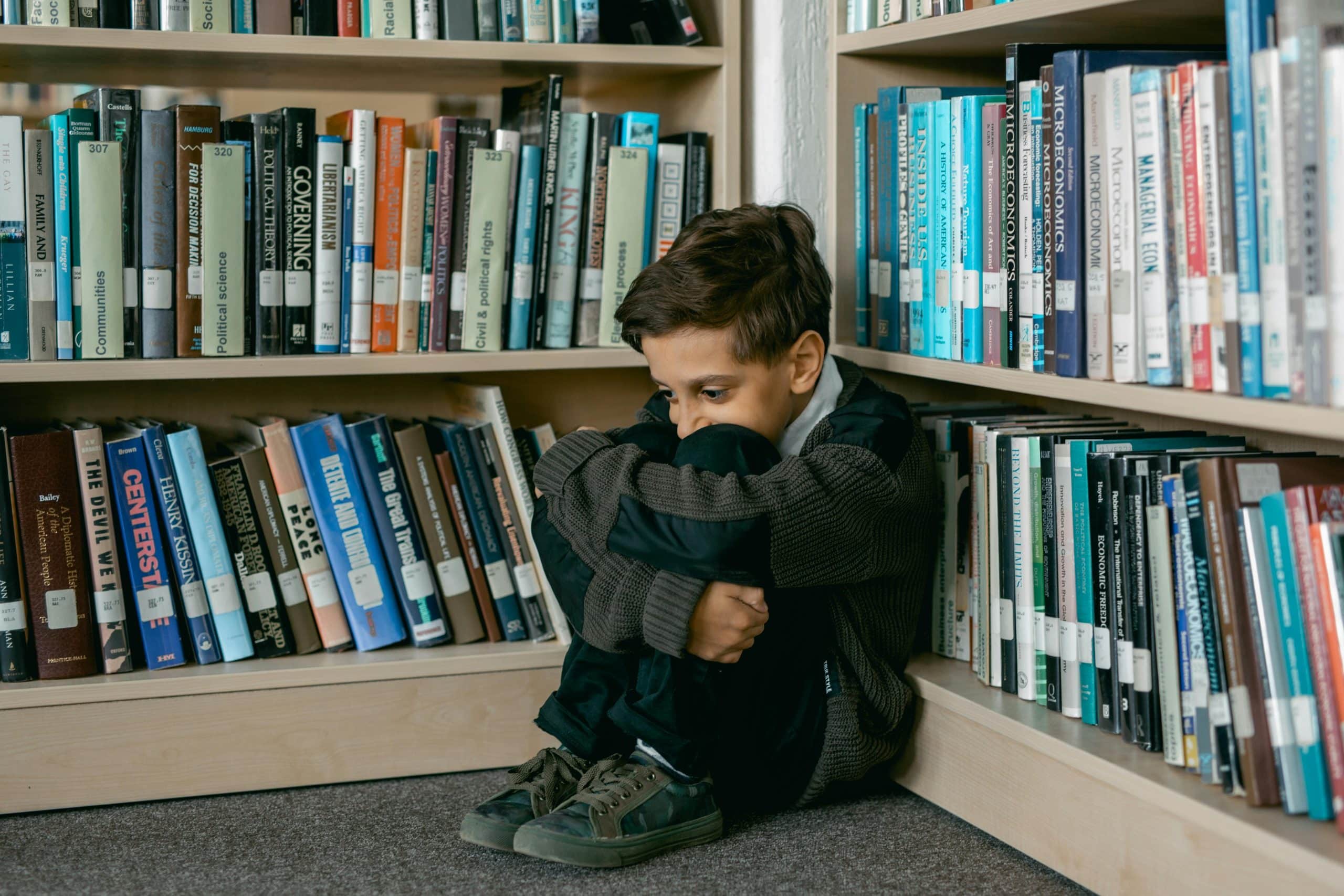
How to Help When Your Child Feels Anxious
December 18, 2025
Anxious Child

Anxiety is associated with feelings of worry, nervousness, or apprehension. Everyone feels anxious sometimes. It is normal to feel nervous or anxious about a variety of situations, like just before an exam or when doing something new. For example, children, especially those with learning difficulties, can feel anxious about attending and returning to school after a break.

There are lots of things you can do to help your child manage their anxiety and support their wellbeing. We have put together 5 tips and a list of resources to help you and your child.

5 Tips to Help Your Child Manage Their Anxiety

  1. Look for signs that your child might be feeling anxious. These could be:  
    • Physical symptoms: headaches, stomach aches, and feeling sick
    • Trouble sleeping
    • Changes in behaviour, like more irritable or withdrawn
    • Trouble concentrating
    • Avoiding situations
    • Constantly seeking reassurance
    • Sharing “What if?” or worry thoughts
  2.  
  3. Talk with your child about how they are feeling.
    • Ask open-ended questions in a safe space for them to share their thoughts and feelings.
    • Acknowledge how they are feeling and let them know that most people feel anxious sometimes. Try to see things from their point of view and don’t dismiss their worries.
  4.  
  5. Come up with a plan together and encourage them to do things that they are anxious about. Avoidance makes anxiety continue or get worse, rather than go away.
    • When preparing to return to school, this might involve organising their school bag for the first day, visiting the school so your child is more familiar with their surroundings, or creating a back-to-school checklist.
    • Problem solve strategies together to help with any situations they are worried about. For example, if they are worried about asking for help at school you might come up with a signal they can use with their teacher.
  6.  
  7. Work together to come up with a list of ways they can manage their anxiety. Support them to practise these strategies both when they are feelings anxious and when they are not, for example, breathing and relaxation exercises and physical activity. You can also model how you manage your own anxious feelings. Each child is different so work together to find out what helps them when they are feeling anxious. There are lots of great apps and websites with different exercises and strategies, like Beyond Blue and ReachOut:
  8.  
  9. Praise your child for doing something they were anxious about. Talk about how they managed how they were feeling and reinforce the skills or strategies they used.

When to Get Professional Help

When anxious feelings don’t go away, are very intense, and happen a lot of the time, interfering with everyday life, it is important to seek further support. A good first step is to talk to your general practitioner (GP) to discuss what types of treatment and support is available. Psychologists and other mental health services provide therapies for anxiety. Psychologists can be found through the AAPI Find a Psychologist or APS Find a Psychologist | APS services.

Resources

There are many great resources available. Below is a list of some organisations that offer support, information, and strategies to support children experiencing anxiety.

Online and Phone Support

Kids Helpline

Ages 5–25 years

Call 1800 55 1800 (24/7)

WebChat (24/7) – waiting times apply

Email counselling – inbox is checked 8am–10pm AEST, 7 days

Beyond Blue

Ages 16+ years

Call 1300 22 4636 (24/7)

WebChat support service (24/7)

Email support service (reply within 24 hours)

Lifeline

All ages

Call 13 11 14 (24/7)

Programs and Resources

The Brave Program

Ages 3-17 years

The Brave Program

A free interactive, online program for the prevention and treatment of childhood and adolescent anxiety, with information tailored for parents and children of different age groups.

Emerging Minds

Anxiety in primary school-aged children - Emerging Minds

Supporting a child with anxiety - tips for parents

8 tips to help your child manage back-to-school anxiety - Emerging Minds

Professional anxiety support for children - tips for parents

Raising Children Network

Anxiety and children with disability | Raising Children Network

Anxiety in children and childhood fears | Raising Children Network

Beyond Blue

Anxiety signs and symptoms - Beyond Blue

Understand Anxiety disorders - Beyond Blue

Headspace

How to help support young people with anxiety | headspace

ReachOut

FAQ about teen anxiety for parents | Anxiety and teenagers

How to build coping skills for anxiety | Anxiety and teenagers

Articles you might like

Jane WotherspoonDecember 18, 2025
How to Help When Your Child Feels Anxious
Anxiety is associated with feelings of worry, nervousness, or apprehension. Everyone feels anxious sometimes. It is normal to feel nervous or anxious about a variety of situations, like just before an exam or when doing something new. For example, children, especially those with learning difficulties, can feel anxious about attending and returning to school after […]
Nicholas ParkerNovember 24, 2025
Report: Literacy Learning at Townsville Flexible School
The Sounds-Write program has been used at Townsville Flexible School since it was introduced in Term 4 2021, following professional development opportunities delivered in Townsville by a certified Sounds-Write trainer. Over the past 3 years, the program has been successfully implemented by two volunteers, both qualified teachers, who work with individual students who are referred […]
Jane WotherspoonOctober 23, 2025
What to expect in a psychoeducational assessment
A psychoeducational assessment is used to identify strengths and weaknesses, diagnose Specific Learning Disorder (e.g., in reading, often called Dyslexia) (based on the DSM-5-TR criteria) if appropriate, and make evidence-based recommendations to improve learning outcomes. A psychologist will conduct the assessment and write a detailed report with recommendations to support learning. At Speld Qld we […]
1 2 3
Speld QLD © 2025 Designed by Insil
usercartmenu