
Supporting and navigating your child’s journey with learning difficulties can be an intimidating process, especially in the early stages of investigating the situation.
Queensland schools support students with learning disorders by providing access to a range of supports tailored to meet individual needs.
Seeking the support of your child’s school teachers is an important step to understanding how they are progressing, what support they are receiving and working together towards a plan for your child’s development.
Once you arrange a parent-teacher interview, it is important to be prepared and know how to approach the conversations to ensure you get the most out of your meeting.
Code Read Dyslexia Network shared “7 Tips for meeting with your child’s school” written by Sarah Mitchell, Dyslexia and Literacy Consultant, that can help you enter the parent-teacher meeting confidently, with topics including:
Prepare
Keep all reports, emails, and notes in one folder for easy reference. Research effective teaching strategies and prepare key questions. Focus on solutions, practice responses, and stay constructive to ensure the best support for your child.
What to Ask?
Ask if your child has an Individual Education Plan (IEP) and request assessment reports. Inquire about interventions, their effectiveness, and whether they are evidence-based. Clarify what accommodations are provided and ensure the IEP includes targeted support, not just adjustments.
Put everything in writing
Take notes during the meeting and email them to attendees for confirmation. Record key points, action items, and deadlines. Request a follow-up review date and details on how progress will be measured.
Use time wisely
Prioritise key concerns, focus on solutions, and ask necessary questions. Stay future-focused and arrange follow-ups if needed.
Follow up
Check in after two weeks and maintain monthly communication. Collaborate with teachers rather than relying on your child for updates.
Leave silent space
Ask direct questions and allow time for responses. Silence can encourage deeper discussion and problem-solving.
Educate respectfully
Share concise resources with teachers and inquire about learning difficulty training. Support their knowledge without being confrontational.
For more information and resources contact our team or check out our library. Take the first steps towards your child’s future!
Click Here to Download the Guide
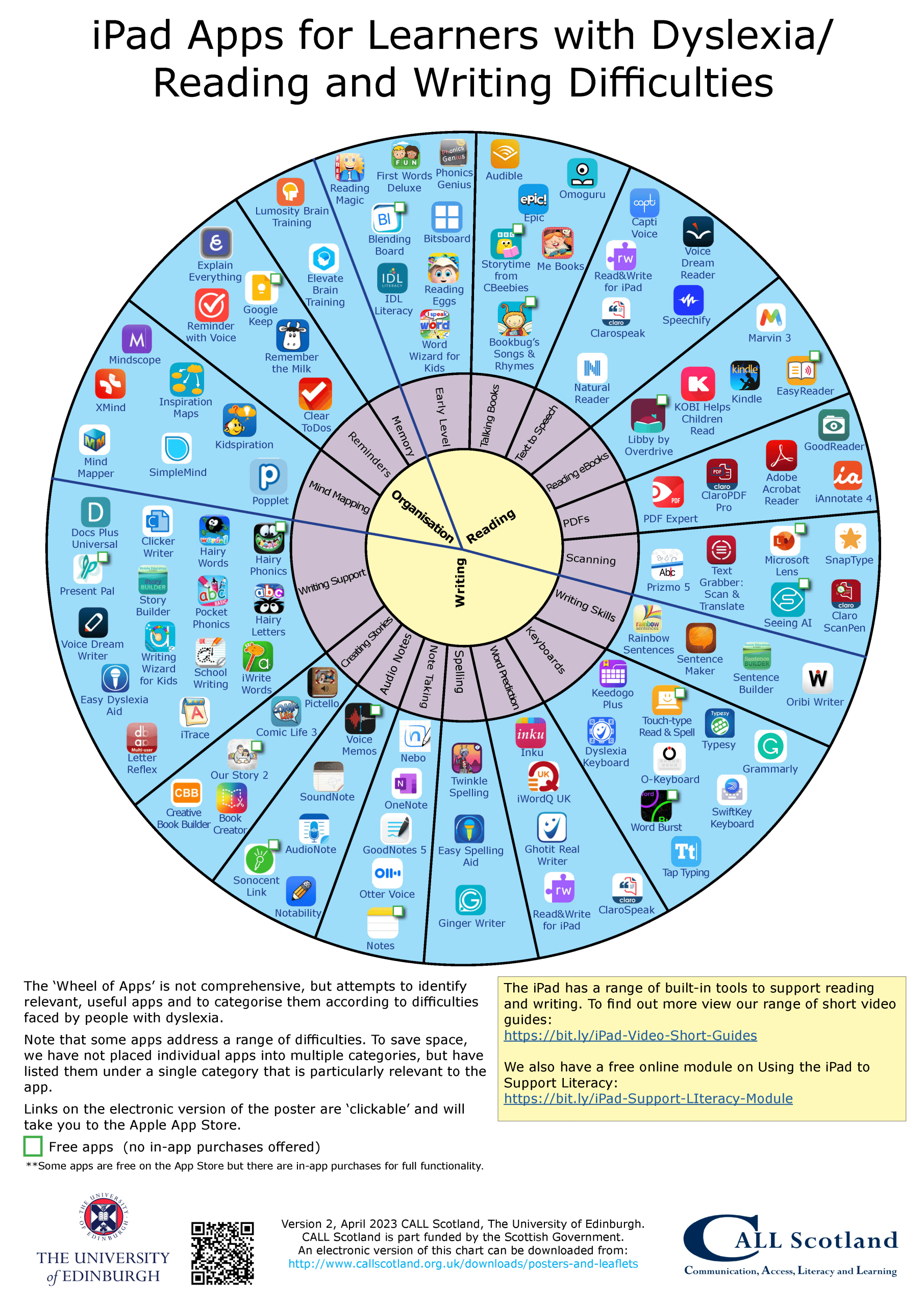
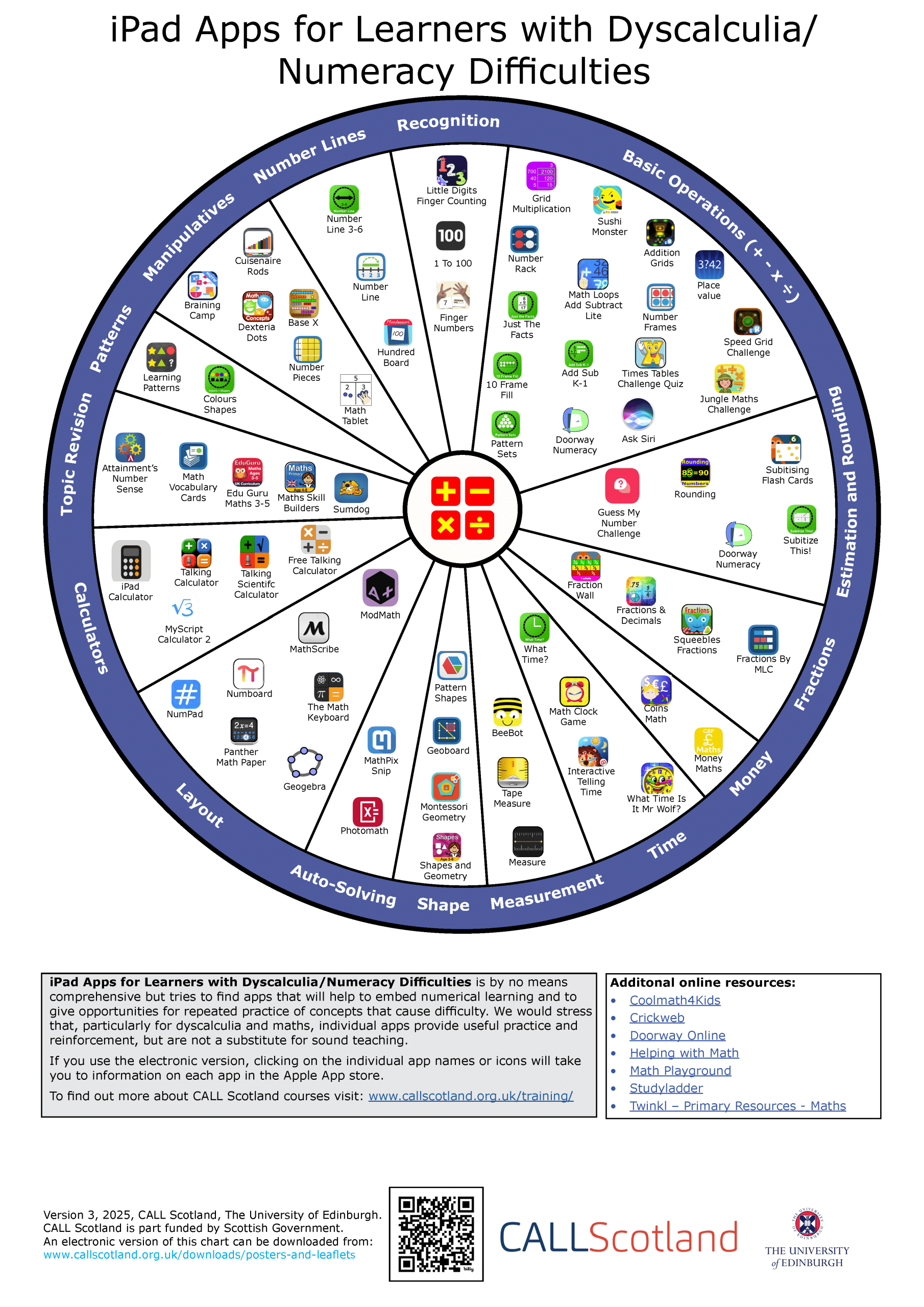
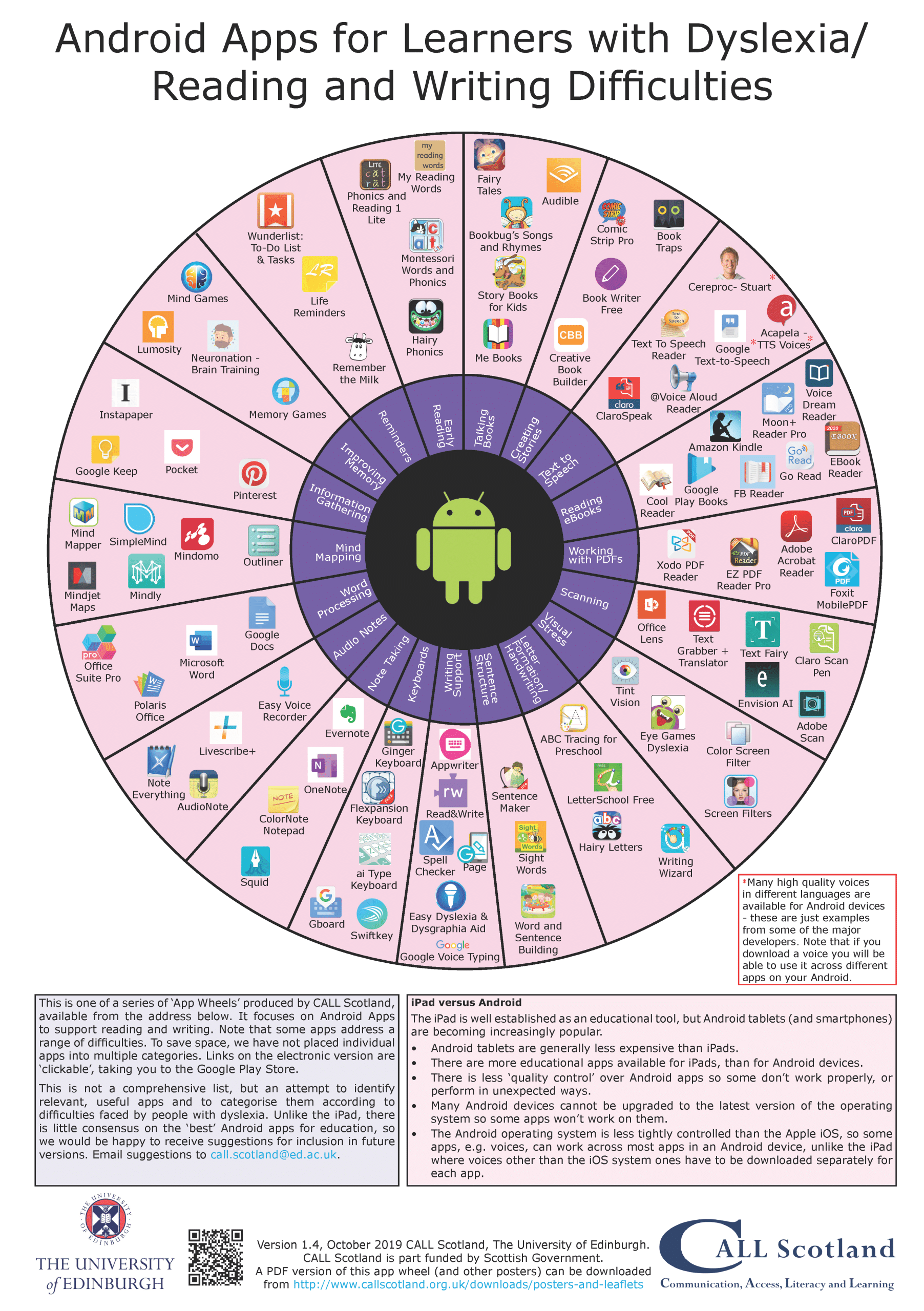
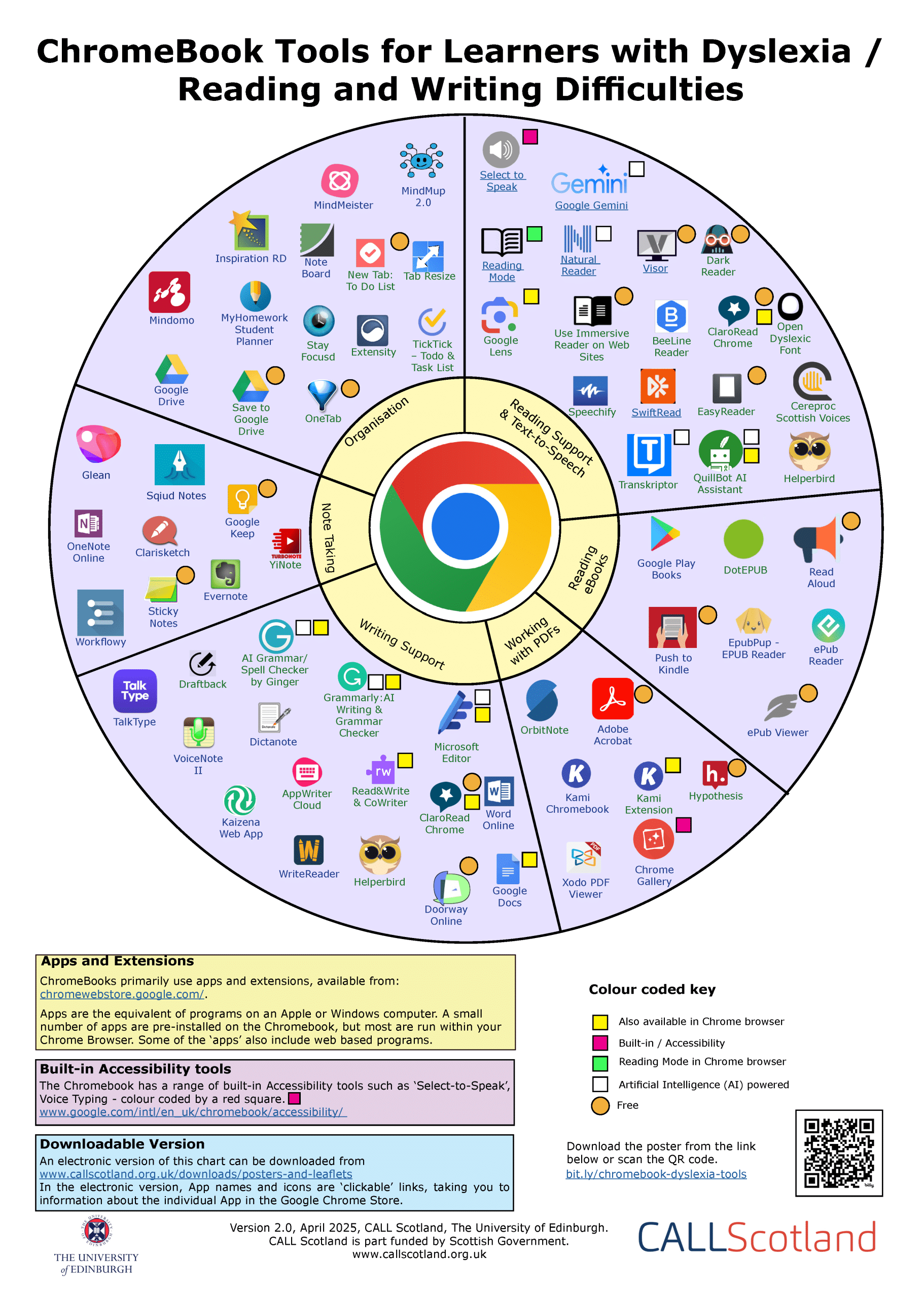
CALL Scotland (Communication, Access, Literacy and Learning) help children and young people to overcome disability and barriers to learning created by their environment, and to fulfil their potential. They offer free resources for all to download, including their popular 'Wheel of Apps' posters which provide useful apps across multiple devices for those who have a learning difficulty: https://www.callscotland.org.uk/downloads/posters-and-leaflets/
iPad Apps for Learners with Dyslexia: https://www.callscotland.org.uk/downloads/posters-and-leaflets/ipad-apps-for-learners-with-dyslexia/
iPad Apps for Learners with Dyscalculia/Numeracy Difficulties: https://www.callscotland.org.uk/downloads/posters-and-leaflets/ipad-apps-for-learners-with-dyscalculianumeracy-difficulties/
Android Apps for Learners with Dyslexia: https://www.callscotland.org.uk/downloads/posters-and-leaflets/android-apps-for-learners-with-dyslexia/
ChromeBook Tools for Learners with Dyslexia / Reading and Writing Difficulties: https://www.callscotland.org.uk/downloads/posters-and-leaflets/chromebook-apps-and-extensions-for-learners-with-dyslexia/

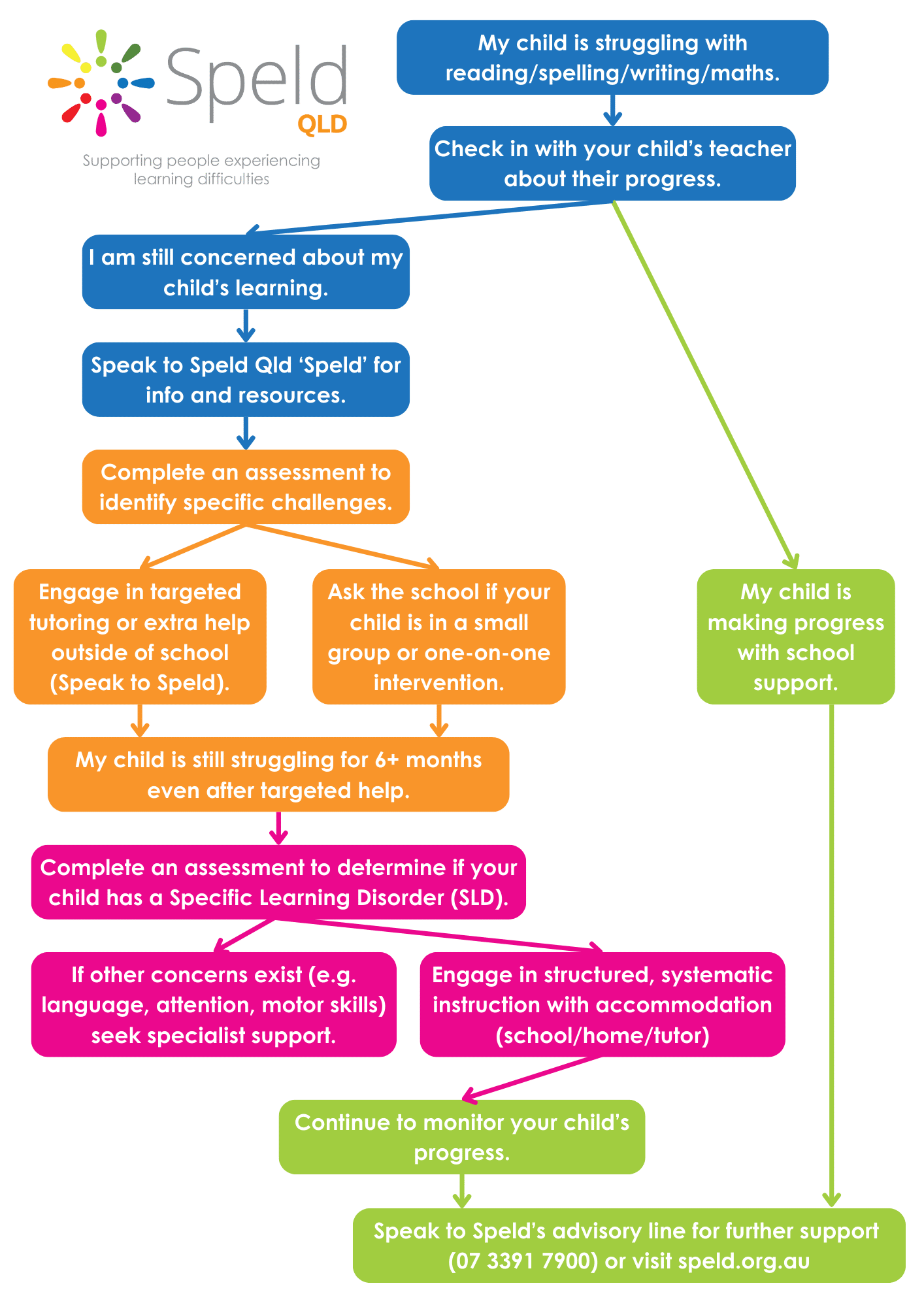
Consider a learning assessment to identify specific areas of strength and difficulty and the most appropriate interventions. The assessment report will also recommend other professionals who may be able to support your child (e.g., tutor, speech pathologist, occupational therapist, paediatrician).
If your child’s academic difficulties persist for at least six months despite targeted intervention (at school or with a tutor):
Remember - early intervention is key to addressing learning challenges, building confidence, and ensuring your child has all the tools and support needed to learn.
Speld Qld Advisory Line
https://speld.org.au/advisory-line/
Ph: (07) 3391 7900
7 Tips for Meeting with Your Child’s School
11 Questions for dyslexia friendly schools
NCCD
https://www.nccd.edu.au/for-parents-guardians-and-carers
Decision-making Flowchart for Learning Assessments
Assistive Technology (AT) is the hardware and software used by a student with learning difficulties which enables them to achieve their potential and beyond. Assistive Technology (AT) benefits individuals with learning difficulties such as dyslexia, dysgraphia, dyspraxia, memory difficulties, language disorders and auditory processing disorder. AT lightens the load for students with learning difficulties and those who support them.
Assistive Technology (AT) in the classroom can be extremely helpful for students with specific learning disorders and enable equity of access to the curriculum for all students.
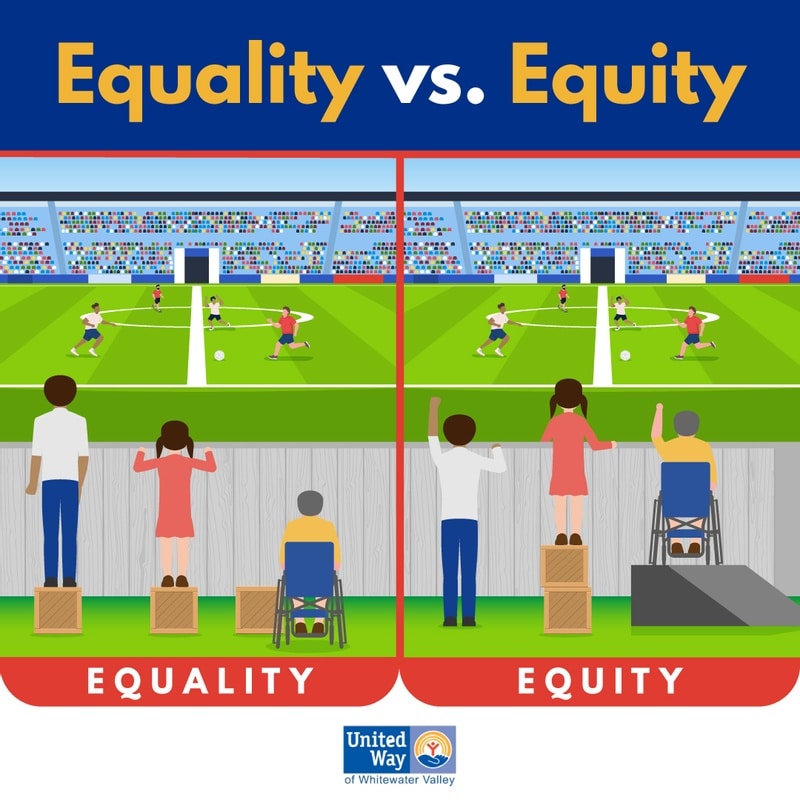
Here are some great resources for understanding how AT can be integrated into standard classroom practice and the benefits for all students, but particularly students with specific learning disorders.
https://www.understood.org/en/search-results?query=assistive%20technology
https://education.qld.gov.au/students/inclusive-education/assistive-technology
https://www.ldrfa.org/exploring-benefits-assistive-technology/
Speld Qld is committed to ensuring that Queenslanders who experience learning difficulties have access to information and training in relation to assistive technology. Knowing how to maximise assistive features of a device and how to utilise assistive tools often lightens the load and improves outcomes for those who experience learning difficulties. Speld Qld has offered iPad consultations for several years now and we are now pleased to announce that we are now able to offer similar consultation sessions for PCs and laptop users.
One hour face-to-face AT Consults are available for $160.00 (from the 1st of February). This service is available to Financial Speld Qld Members only.